Smart Metering: Tracking EV Charger Energy on Complex Sites (PV & Battery)
As the world shifts towards more sustainable practices, the integration of EV charging infrastructure with on-site renewable energy sources like PV and battery storage is becoming increasingly common.
However, measuring charger energy on mixed-use sites poses significant challenges due to the complexity of energy flows.

Accurate smart metering is crucial for billing and optimization purposes, ensuring that energy consumption is tracked correctly.
At our company, we are committed to optimizing energy efficiency through intelligent technology, aligning with the need for advanced smart metering solutions.
Key Takeaways
- Understanding the complexity of energy flows on mixed-use sites.
- The importance of accurate smart metering for EV charging.
- How smart metering solutions can optimize energy efficiency.
- The role of PV and battery storage in complex energy systems.
- Benefits of intelligent technology in energy management.
The Complexity of Energy Flows on Mixed-Use Sites
The complexity of energy flows on mixed-use sites demands a nuanced understanding of multiple energy sources and loads. On sites where photovoltaic (PV) systems, battery storage, and building loads coexist, energy management becomes increasingly intricate.
Understanding Multiple Energy Sources and Loads
Mixed-use sites often feature a combination of energy sources, including PV systems, grid power, and battery storage. These sources supply various loads, such as building energy demands and electric vehicle (EV) charging stations. Understanding the interactions between these sources and loads is crucial for effective energy management.
Why Traditional Metering Falls Short
Traditional metering solutions often fall short in managing complex energy flows. Two key challenges are particularly noteworthy:
Bidirectional Energy Flows
On sites with PV systems and battery storage, energy can flow in both directions - from the grid to the load and from the PV system to the grid or battery. This bidirectional flow complicates traditional metering approaches, which are often designed for unidirectional energy flow.
Time-of-Use Considerations
Time-of-use (TOU) tariffs and the varying costs of energy at different times add another layer of complexity. Accurate metering must account for these TOU considerations to optimize energy costs and efficiency.
By understanding these complexities, we can better appreciate the need for advanced metering solutions that can handle the intricacies of modern energy management on mixed-use sites.
The Challenge: Isolating EV Charging Energy Consumption
The challenge of accurately measuring EV charging energy consumption is multifaceted, involving both technical and business considerations. As the use of electric vehicles (EVs) continues to grow, so does the complexity of managing their energy consumption on mixed-use sites.
Business Requirements for Accurate Measurement
Accurate measurement of EV charging energy consumption is crucial for businesses to understand their energy usage patterns, optimize their energy management, and ensure compliance with regulatory requirements. Precise metering is essential for billing purposes, especially when electricity is resold to EV owners. Businesses need to be able to track their energy consumption in real-time to make informed decisions about their energy usage.
"Accurate measurement is the foundation of effective energy management. Without it, businesses are left to guesswork and estimates." - Energy Management Expert
Technical Difficulties in Mixed Energy Environments
Mixed energy environments, where multiple energy sources and loads are present, pose significant technical challenges for isolating EV charging energy consumption. The main difficulties include distinguishing between different energy sources and managing peak loads.
Distinguishing Between Energy Sources
In sites with solar PV, battery storage, and EV charging infrastructure, it can be challenging to distinguish between the energy consumed by EVs and other loads. Advanced metering solutions are required to accurately measure the energy flow.
Peak Load Management Challenges
Managing peak loads is critical to prevent grid overload and ensure a stable energy supply. EV charging can significantly impact peak demand, especially during periods of high EV usage. Effective peak load management strategies are necessary to mitigate this impact.
| Challenge | Description | Solution |
|---|---|---|
| Distinguishing Between Energy Sources | Multiple energy sources and loads complicate energy measurement | Advanced Metering Solutions |
| Peak Load Management | EV charging impacts peak demand, potentially overloading the grid | Peak Load Management Strategies |
https://www.youtube.com/watch?v=-b5_vqRF8uo
By understanding the challenges and implementing appropriate solutions, businesses can effectively manage their EV charging energy consumption, optimize their energy usage, and reduce costs.
EV Charging and Metering Concepts: A Primer
Understanding the fundamentals of EV charging and metering is crucial for optimizing energy consumption on complex sites. As we delve into the world of EV charging, it's essential to grasp the basic principles that govern energy metering and the special considerations that come into play when dealing with EV charging infrastructure.
Basic Principles of Energy Metering
Energy metering is the process of measuring the amount of electrical energy consumed or produced by a particular device or system. In the context of EV charging, energy metering is critical for accurately billing EV owners for the energy they consume. The basic principle involves measuring the voltage and current supplied to the EV, then calculating the energy transferred over time.
Key components of energy metering include:
- Voltage measurement
- Current measurement
- Power calculation (active, reactive, and apparent power)
- Energy calculation (total energy consumed or produced)
Special Considerations for EV Charging Infrastructure
EV charging infrastructure presents unique challenges for energy metering. The high power demands of EV charging, combined with the variability in charging patterns, require specialized metering solutions.
AC vs. DC Charging Measurement
EV charging can occur through either AC (Alternating Current) or DC (Direct Current) charging systems. AC charging is more common for slower charging points, while DC charging is typically used for fast charging. The measurement approach differs between these two types:
| Characteristics | AC Charging | DC Charging |
|---|---|---|
| Measurement Complexity | Lower | Higher |
| Charging Speed | Slower | Faster |
| Metering Requirements | Standard AC metering | Specialized DC metering |
Power Quality and Efficiency Losses
Power quality is a critical consideration in EV charging infrastructure. Poor power quality can lead to efficiency losses, equipment damage, and even safety hazards. Factors affecting power quality include harmonic distortion and voltage fluctuations.
"The increasing penetration of EVs and other non-linear loads is stressing the grid and challenging power quality. Advanced metering and monitoring solutions are essential to mitigate these effects."
Efficiency losses in EV charging systems can occur due to various factors, including charging technology, cable losses, and conversion losses. Understanding these losses is crucial for optimizing the overall efficiency of the charging process.
Solution 1: Dedicated AC Sub-metering for Billing Purposes
Accurate billing for EV charging requires precise measurement, which can be achieved through dedicated AC sub-metering. This solution is particularly useful for businesses that need to track and bill for EV charging energy consumption separately.
How Dedicated Sub-metering Works
Dedicated sub-metering involves installing a separate meter specifically for measuring the energy consumed by EV charging infrastructure. This approach ensures that the energy usage is isolated from other site energy consumption, providing a clear and accurate picture for billing purposes.
MID-certified meters are typically used for this application, ensuring compliance with regulatory requirements for billing accuracy.
MID-Certified Meters and Compliance Requirements
MID-certified meters are designed to meet the Measuring Instruments Directive (MID) standards, which are crucial for billing applications. These meters undergo rigorous testing to ensure accuracy and reliability.
To comply with regulatory requirements, businesses must ensure that their sub-metering solution is installed and configured correctly. This includes adhering to specific guidelines for meter accuracy, data logging, and security.
Installation and Configuration Best Practices
Proper installation and configuration of dedicated sub-metering are critical for accurate billing. Key considerations include:
- Circuit Isolation: Ensuring that the sub-meter measures only the energy consumed by the EV charging infrastructure.
- Data Logging and Storage: Implementing a robust data logging and storage system to record and retain energy consumption data.
Circuit Isolation Requirements
Circuit isolation is essential to ensure that the sub-meter accurately measures EV charging energy consumption without including other site energy usage. This may involve isolating specific circuits or installing separate metering for different energy sources.
Data Logging and Storage
Effective data logging and storage are crucial for capturing and retaining energy consumption data. This data is used for billing purposes and can also provide insights into energy usage patterns.
Benefits and Limitations of the Sub-metering Approach
Implementing sub-metering for EV charging offers several advantages, but it also comes with its own set of challenges. As we explore the benefits and limitations, it becomes clear that this approach is crucial for billing and accountability purposes.
Advantages for Billing and Accountability
Sub-metering provides a dedicated measurement of EV charging energy consumption, making it easier to isolate these costs from other energy uses on complex sites. This accuracy in billing is crucial for sites with multiple energy sources and loads. According to a recent study, "Accurate sub-metering can lead to a significant reduction in energy costs, as it allows for precise billing and accountability"
This level of granularity in energy measurement enables site managers to make informed decisions about energy usage and cost allocation.
Limitations in Energy Source Tracking
Despite its advantages, sub-metering has limitations, particularly in tracking the source of energy used for EV charging.
Inability to Differentiate Green Energy
One significant limitation is the inability to differentiate between green energy (e.g., from PV systems) and grid energy. This distinction is crucial for sites aiming to optimize their renewable energy usage. As noted by industry experts, "The lack of clarity on energy sources can hinder the effectiveness of energy management strategies."
Integration Challenges with Existing Systems
Another challenge is integrating sub-metering with existing energy management systems, which can be complex and costly. Seamless integration is essential to ensure that the data from sub-meters is accurately reflected in the overall energy management strategy.
In conclusion, while sub-metering offers significant benefits for billing and accountability, its limitations in energy source tracking and integration challenges need to be addressed to maximize its effectiveness.
Solution 2: Energy Management Systems for Source Optimization
Energy Management Systems (EMS) offer a sophisticated solution for optimizing energy sources on complex sites with EV charging infrastructure. By leveraging advanced technologies, EMS can significantly improve the efficiency of energy distribution, ensuring that EV charging is powered by the most cost-effective and sustainable sources available.
Multi-Point Metering Architecture
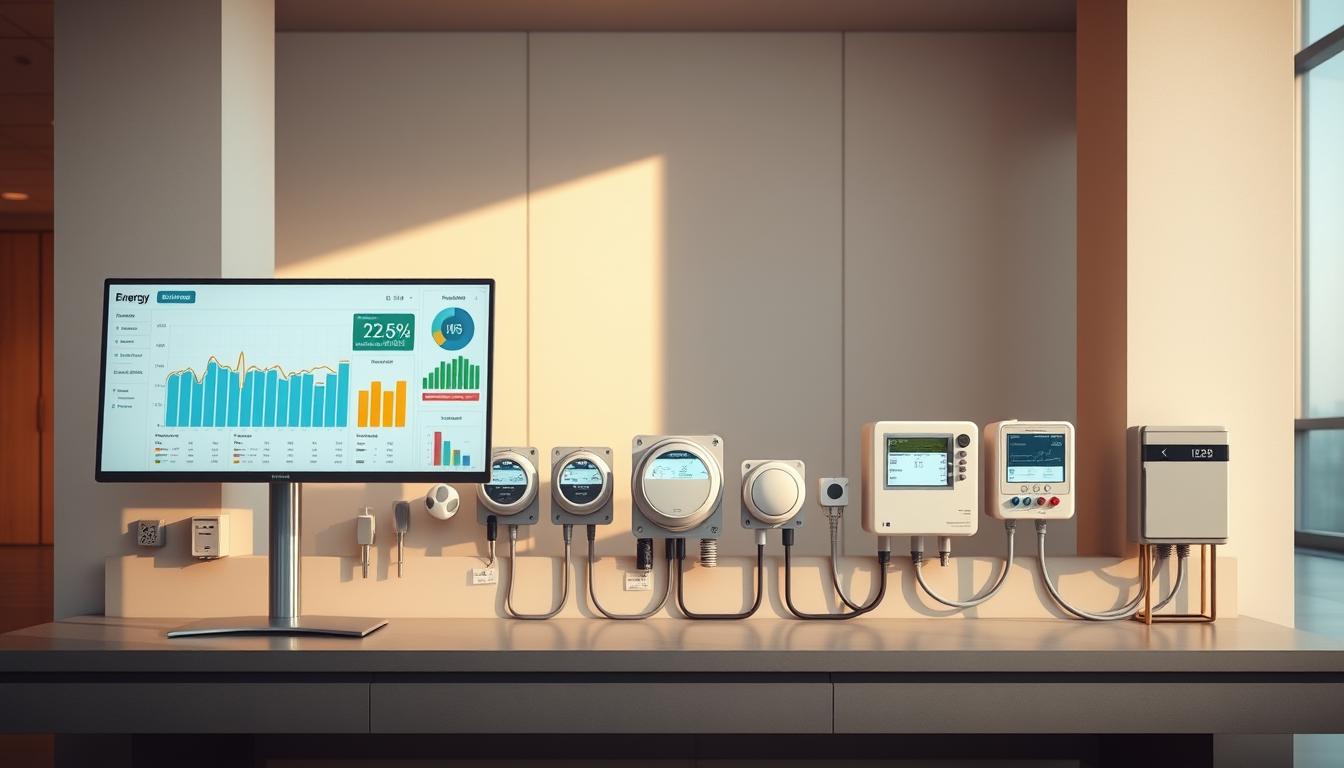
A key feature of EMS is its multi-point metering architecture, which involves installing meters at various points across the site to monitor energy flows comprehensively. This allows for a detailed understanding of how energy is being consumed and generated, enabling more informed decisions about energy management.
Data Collection and Integration
EMS collects data from various meters and sensors across the site, integrating this information into a unified platform. This data is then analyzed to provide insights into energy usage patterns, peak demand periods, and opportunities for optimization.
Real-time Energy Flow Analysis
One of the critical capabilities of EMS is its ability to perform real-time energy flow analysis. This involves continuously monitoring the flow of energy across the site, allowing for immediate adjustments to be made in response to changes in energy supply and demand.
Algorithms for Source Attribution
Advanced algorithms within the EMS attribute energy consumption to specific sources, such as solar PV, battery storage, or the grid. This attribution is crucial for understanding the true cost and environmental impact of EV charging, enabling site operators to make data-driven decisions.
Load Balancing Capabilities
EMS also offers load balancing capabilities, which help to distribute energy efficiently across different loads on the site, including EV chargers. By optimizing energy distribution, EMS can reduce peak demand charges and minimize the strain on the grid during peak periods.
As stated by a leading energy management expert,
"The integration of EMS with EV charging infrastructure represents a significant step forward in optimizing energy efficiency and reducing operational costs."
By adopting EMS, site operators can not only improve their bottom line but also contribute to a more sustainable energy future.
Implementing an EMS for Complex Sites with PV and Battery Storage
Implementing an EMS for complex sites with PV and battery storage requires careful consideration of both hardware and software components. Such sites present unique challenges due to the multiple energy sources and loads, making a sophisticated energy management system indispensable.
Hardware Requirements and Specifications
The hardware for an EMS typically includes multi-point meters, current transformers, and communication infrastructure. When selecting hardware, it's crucial to ensure compatibility and scalability.
- Multi-point meters capable of measuring various parameters
- Current transformers for accurate current measurement
- Robust communication infrastructure for data transfer
Software Integration Considerations
Software integration is a critical aspect of EMS implementation. The system should be able to integrate with existing infrastructure and provide real-time data analysis.
Key considerations include:
- Compatibility with existing building management systems
- Ability to handle multiple data sources
- User-friendly interface for monitoring and control
Data Processing and Analytics
Effective data processing and analytics are vital for optimizing energy management. The EMS should provide insights into energy consumption patterns and suggest optimization strategies.
Cloud vs. On-Premises Solutions
The choice between cloud-based and on-premises solutions depends on the specific needs of the site. Cloud solutions offer scalability and remote access, while on-premises solutions provide greater control over data security.
API Integration with Charging Networks
For sites with EV charging infrastructure, API integration with charging networks is essential for managing charging demand and optimizing energy distribution.
By carefully considering these factors, you can implement an EMS that effectively manages complex energy flows on your site, optimizing energy efficiency and reducing costs.
Regulatory and Billing Considerations for EV Charging
As the adoption of electric vehicles (EVs) accelerates, understanding the regulatory landscape for EV charging becomes increasingly crucial. This knowledge is vital for businesses operating EV charging infrastructure, as it directly impacts their operations, profitability, and compliance with legal requirements.
Legal Requirements for Reselling Electricity
Reselling electricity for EV charging is subject to various legal requirements that vary by jurisdiction. In many regions, businesses must obtain specific licenses or permits to sell electricity. For instance, in the United States, the regulations can differ significantly from one state to another. It's essential for EV charging operators to understand these requirements to avoid legal complications.
Tariff Structures and Pricing Models
Tariff structures and pricing models for EV charging are influenced by local energy regulations and utility company policies. Common pricing models include per-kWh charging, per-hour charging, and flat-rate pricing. The choice of pricing model can significantly affect the user experience and the profitability of the charging station. Operators must carefully consider these factors when designing their pricing strategies.
Compliance with Local Energy Regulations
Compliance with local energy regulations is critical for EV charging operators. This includes adhering to utility interconnection requirements, which dictate how charging infrastructure connects to the grid. Additionally, operators must comply with data security and privacy standards to protect user information.
Utility Interconnection Requirements
Utility interconnection requirements ensure that EV charging infrastructure does not adversely affect the grid. These requirements can include technical standards for the connection, inspection procedures, and sometimes, specific equipment certifications.
Data Security and Privacy Standards
Data security and privacy are paramount in EV charging operations, as they involve handling sensitive user information. Operators must implement robust data protection measures, including encryption, secure authentication processes, and compliance with relevant data protection regulations such as GDPR in Europe or state-specific laws in the U.S.
Visualization and Reporting for Energy Management
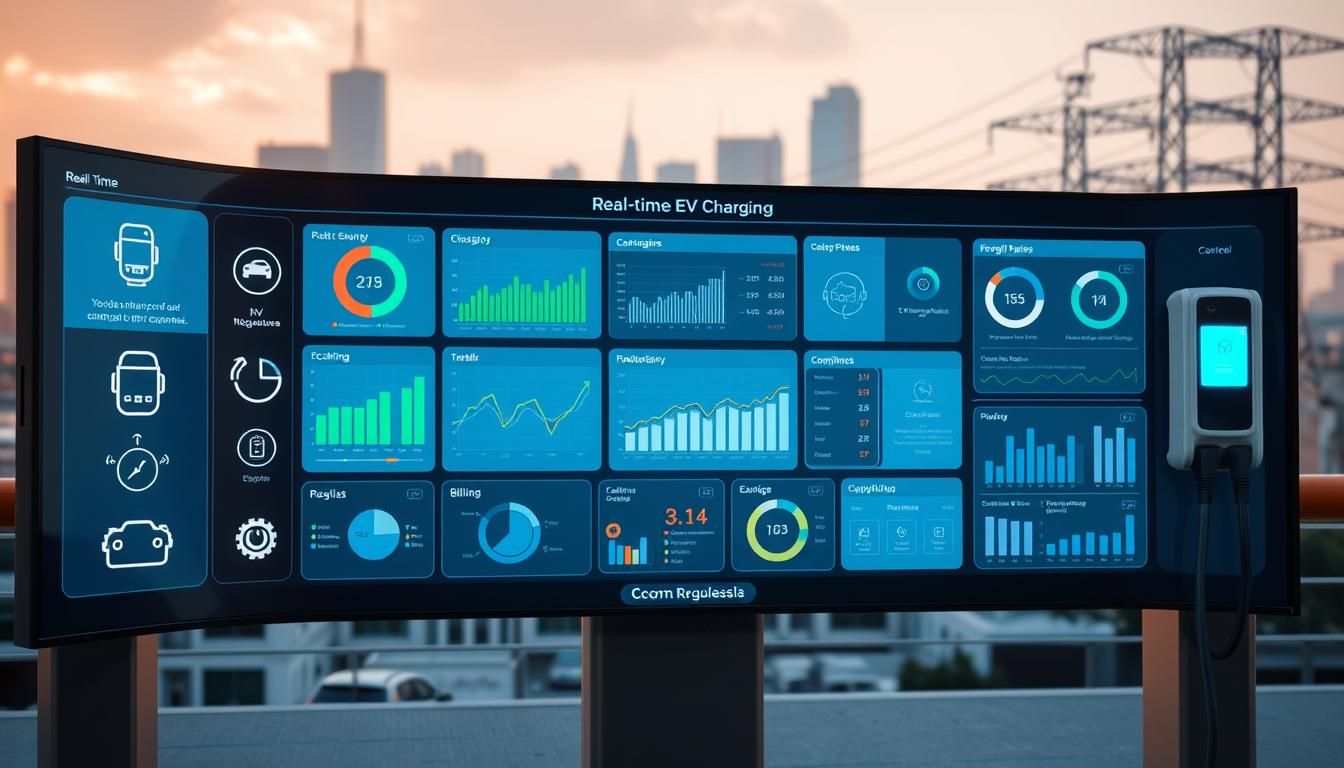
Visualization and reporting are key components of a successful energy management strategy, enabling informed decision-making.
Dashboard Design for Different Stakeholders
Effective dashboard design is crucial for meeting the needs of various stakeholders. For instance, financial stakeholders may require high-level overviews of energy costs and savings, while technical teams may need detailed insights into energy consumption patterns.
- Financial stakeholders: Focus on cost savings and ROI
- Technical teams: Detailed energy consumption data
- Operational managers: Real-time monitoring and alerts
Automated Reporting and Alerts
Automated reporting and alerts enhance the efficiency of energy management by providing timely insights and notifications. This enables swift action in response to changes in energy consumption or potential issues.
Key benefits include:
- Timely identification of energy waste
- Proactive maintenance scheduling
- Compliance with regulatory requirements
Performance Metrics and KPIs
To measure the effectiveness of energy management strategies, it's essential to track relevant performance metrics and KPIs.
Carbon Emission Tracking
Monitoring carbon emissions is critical for organizations aiming to reduce their environmental footprint. By tracking emissions, companies can identify areas for improvement and measure the impact of their sustainability initiatives.
Financial Performance Indicators
Financial metrics, such as energy cost savings and return on investment (ROI), are vital for assessing the financial viability of energy management projects.
Conclusion: Building a Future-Proof EV Charging Metering Strategy
As we've explored throughout this article, accurately measuring EV charging energy consumption on complex sites with multiple energy sources is crucial. A well-designed metering strategy is essential for optimizing energy efficiency, reducing costs, and improving sustainability.
By implementing a dedicated AC sub-metering approach or an energy management system, you can gain real-time insights into energy flows and make informed decisions. These solutions enable you to isolate EV charging energy consumption, track energy sources, and optimize energy distribution.
To build a future-proof EV charging metering strategy, consider the scalability and flexibility of your solution. Ensure that your system can adapt to changing energy demands and evolving regulatory requirements. By doing so, you'll be well-equipped to navigate the complexities of EV charging and energy management, ultimately driving cost savings and sustainability benefits.
With the right metering strategy in place, you'll be poised to capitalize on the opportunities presented by the growing EV market, while minimizing the associated energy management challenges.
FAQ
What is smart metering, and how does it apply to EV charging on complex sites?
Smart metering refers to the use of advanced metering infrastructure to measure energy consumption accurately. For EV charging on complex sites with PV and battery storage, smart metering helps track energy flows, enabling accurate billing and optimization.
Why is traditional metering insufficient for mixed-use sites with EV charging?
Traditional metering falls short because it cannot handle the complexity of bidirectional energy flows, multiple energy sources, and time-of-use considerations on mixed-use sites, making it difficult to isolate EV charging energy consumption.
What are the business requirements for accurate measurement of EV charging energy?
Businesses require accurate measurement to ensure correct billing, optimize energy efficiency, and comply with regulatory requirements. Accurate measurement also helps in understanding energy consumption patterns and managing peak loads.
How does dedicated AC sub-metering work for EV charging, and what are its benefits?
Dedicated AC sub-metering involves installing meters specifically for EV charging circuits, providing accurate measurement for billing purposes. Its benefits include improved accuracy, compliance with regulatory requirements, and enhanced accountability.
What are the limitations of the sub-metering approach, and how can they be addressed?
The sub-metering approach has limitations, such as the inability to differentiate between energy sources and potential integration challenges with existing systems. These limitations can be addressed by implementing Energy Management Systems (EMS) that provide real-time energy flow analysis and source attribution.
How do Energy Management Systems (EMS) optimize energy efficiency for complex sites with EV charging?
EMS optimizes energy efficiency by using multi-point metering architecture, real-time energy flow analysis, and algorithms for source attribution. This enables load balancing, peak load management, and optimization of energy sources, reducing costs and improving sustainability.
What are the key considerations for implementing an EMS on complex sites with PV and battery storage?
Key considerations include hardware requirements and specifications, software integration considerations, data processing and analytics, and choices between cloud and on-premises solutions. API integration with charging networks is also crucial.
What regulatory and billing considerations should be taken into account for EV charging?
Regulatory considerations include legal requirements for reselling electricity, compliance with local energy regulations, utility interconnection requirements, and data security and privacy standards. Tariff structures and pricing models should also be considered.
How can visualization and reporting support energy management for EV charging?
Visualization and reporting support energy management by providing stakeholders with relevant information through dashboard design, automated reporting, and alerts. Performance metrics and KPIs, such as carbon emission tracking and financial performance indicators, help in optimizing energy efficiency.